
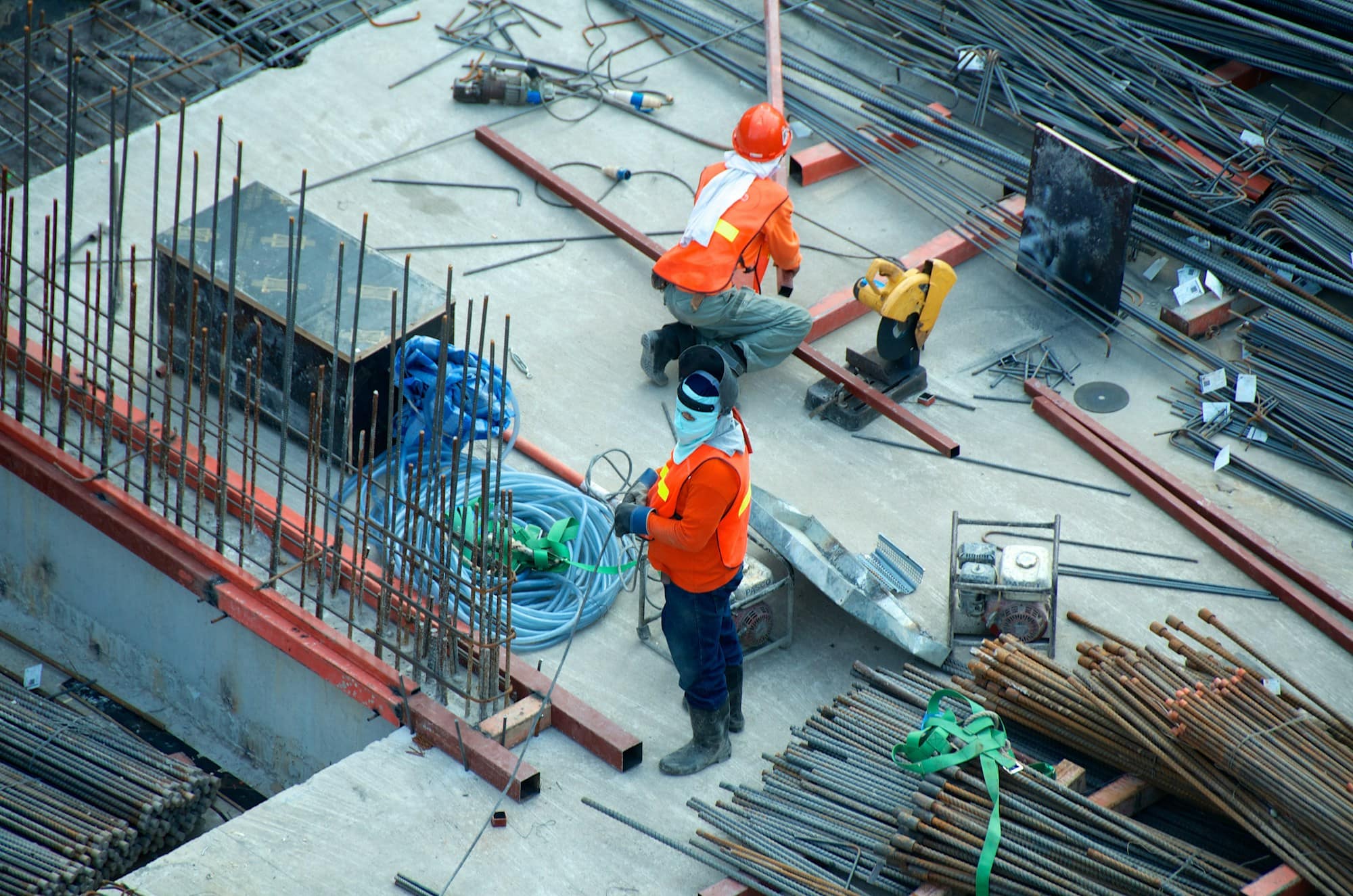
Waterproofing · Sydney
Keep WaterWhere It Belongs.
Compliant waterproofing for wet areas, balconies, roofs, and below-ground structures. Backed by a 10-year warranty on every application.
Waterproofing built to suit the home and the wet areas it actually has.
Waterproofing is the one part of a renovation you never see and can least afford to get wrong. A failed membrane behind a tiled wall is a demolition job, not a patch. We treat it as the foundation of every wet area, not a step to rush before tiling.
The failures almost always start at the junctions: the floor waste, the wall-to-floor angle, the shower hob. Licensed application, the right membrane thickness, and careful detailing at those points are what make it last behind the tile.
Federation bathroom, strata apartment, or new build, each system is matched to the wet area and the risk points it actually has.
Every Wet Area. Every Membrane System.
The right system matched to the substrate, exposure level, and intended use.
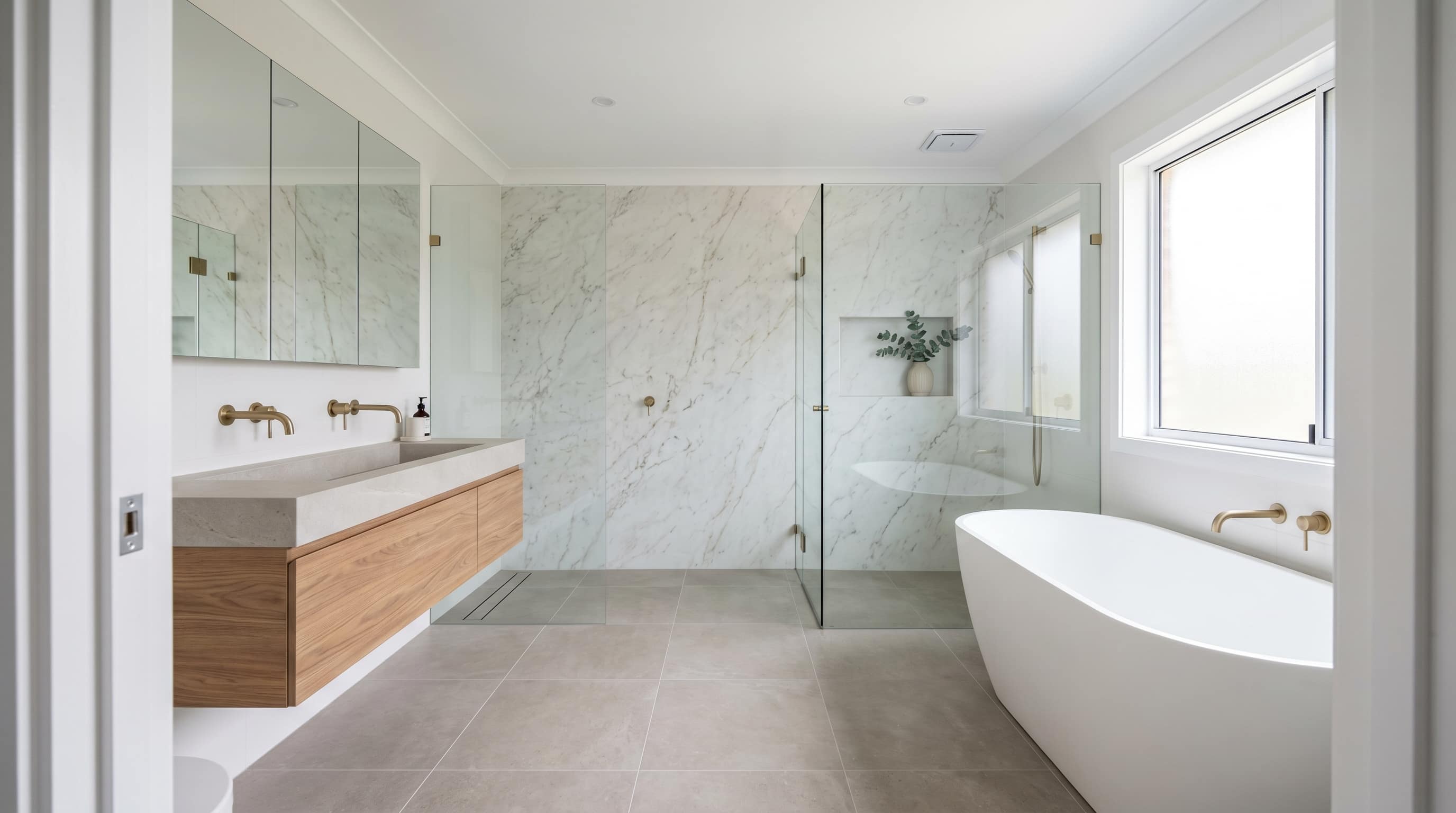
Bathrooms & Ensuites
Full wet area membrane to floors, walls, and hob areas. Every bathroom we renovate is waterproofed as standard. Standalone waterproofing also available for tilers.
Balconies & Decks
Exposed concrete and timber-framed balconies. Polyurethane or liquid membrane systems with drainage fall correction. The number-one source of water ingress in multi-storey buildings.
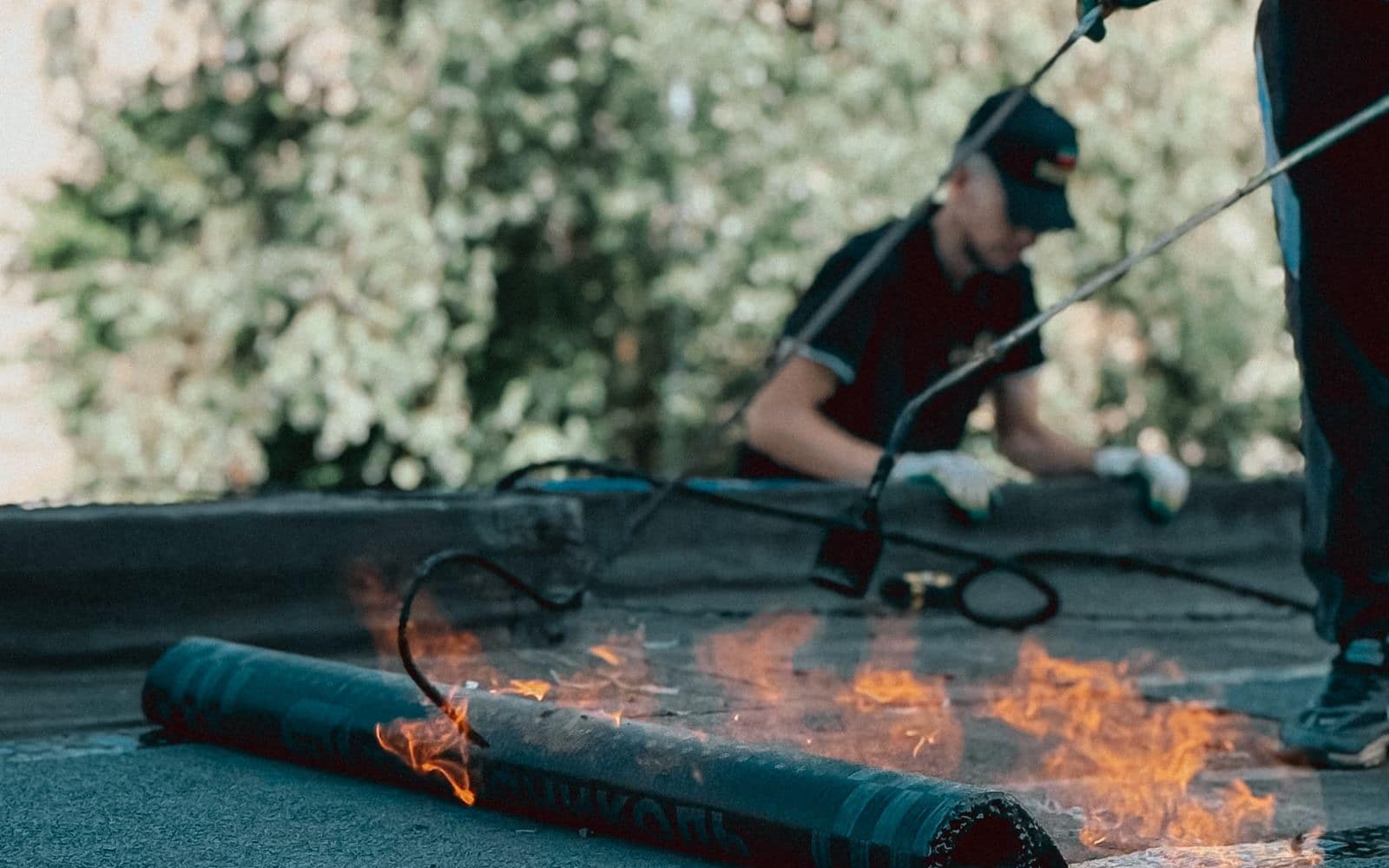
Roofs & Flat Roofs
Flat and low-pitch roofs, roof terraces, and parapet walls. Torch-on, liquid applied, or TPO membrane systems depending on the substrate and traffic load.
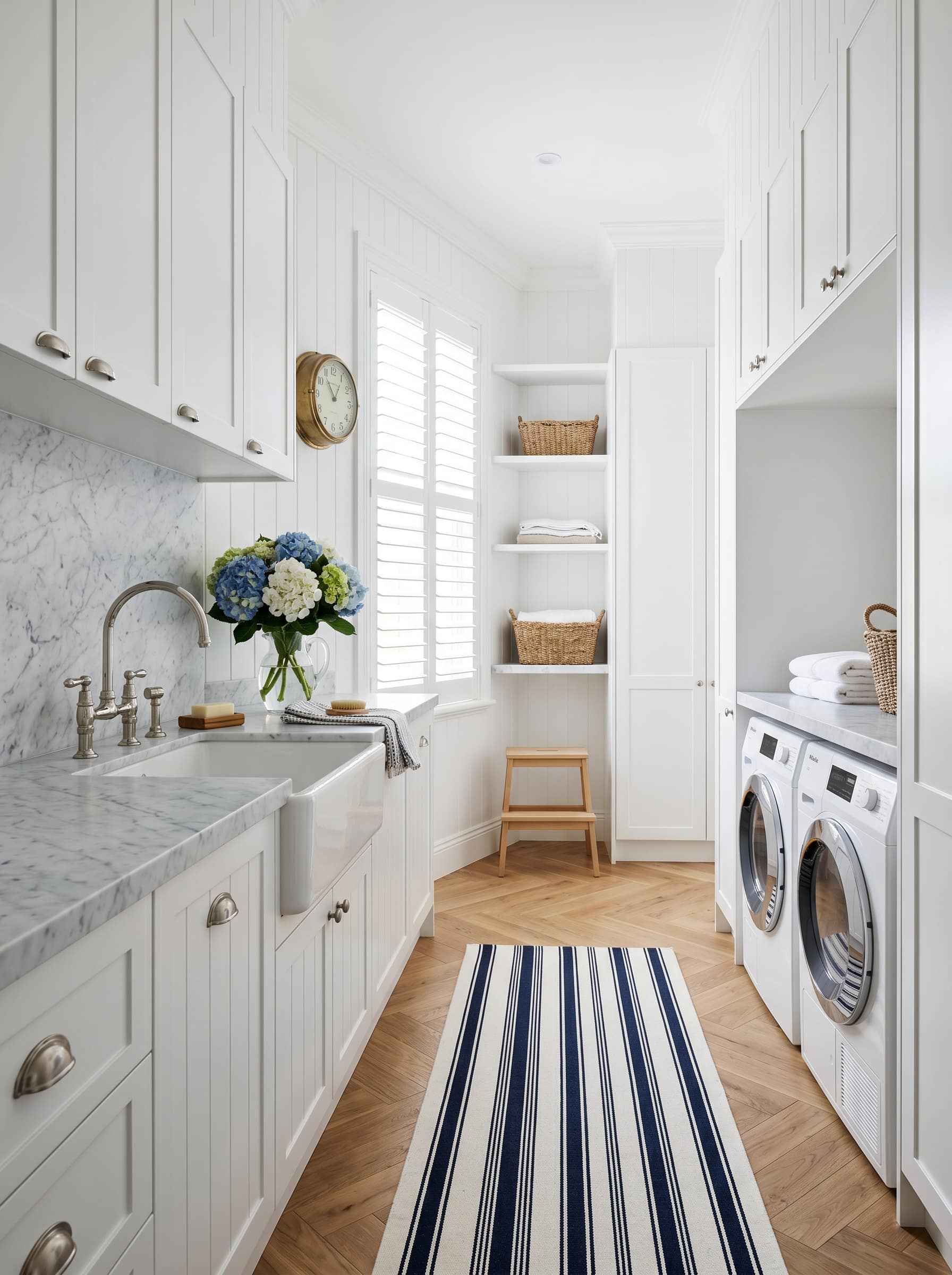
Laundries & Wet Rooms
Laundry floors and walls behind appliances. Wet rooms and disability bathrooms requiring full-floor membrane systems with continuous fall to drain.
Retaining Walls & Below Ground
Basement walls, retaining structures, and below-slab areas. Negative and positive side membrane systems depending on access and hydrostatic pressure.
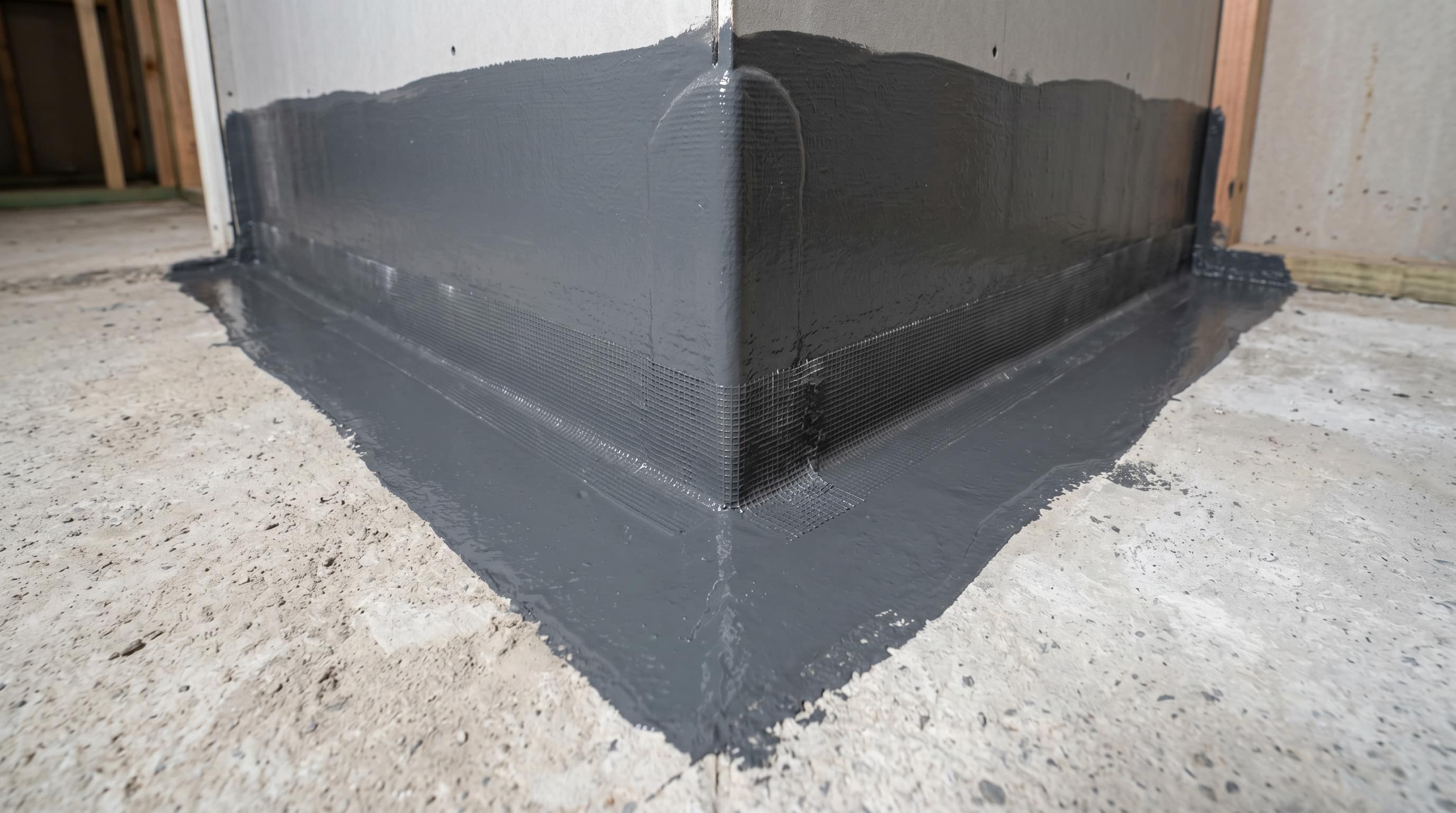
Remedial Waterproofing
Existing failed membranes identified, removed, and replaced. Water ingress source located and rectified before re-application. Inspection report provided.
"Non-compliant waterproofing is the leading cause of structural water damage in Australian homes."
Everything under one roof.
Site preparation
Substrate dry, clean, sound
Primer application
Bonding primer to spec
Membrane installation
Two coats, manufacturer spec
Bond breakers & detailing
Junctions, hobs, falls
Flood test & sign-off
24-hour static water test
From quote
to handover.
Five steps, every one explained before tools touch site.
- Step 01· Half day
Free Consultation
We visit, measure, and listen to how you want the space to work. No cost, no obligation.
You get: Scope summary + ballpark range - Step 02· 3–5 days
Fixed Quote
Detailed written quote. What we quote is what you pay.
You get: Written quote - Step 03· 1–2 weeks
Design & Selection
Choose finishes from curated material boards. We guide you through every selection.
You get: Locked finishes schedule - Step 04· 10–15 days
Build Phase
Our licensed team carries out the work. Site managed throughout, with progress photos shared at each stage.
You get: Progress photos at each stage - Step 05· ~Half day
Handover
Walk-through, defect sign-off, warranty docs handed over, full site clean.
You get: Warranty pack + final clean
Common Questions
The Australian Standard for domestic wet areas sets minimum membrane thickness, coverage areas, upturn heights, and product requirements. Work that doesn't comply isn't just a warranty risk - it can void your home insurance and create significant liability if you sell the property.
For new builds and renovations requiring council approval, a waterproofing certificate is required before the building certifier will sign off on a wet area. It's also increasingly requested by conveyancers in property sales. We issue an inspection certificate on every job as standard.
Most liquid-applied membrane systems require 24–48 hours cure time before tiling can begin, depending on temperature and humidity. We'll confirm the specific cure time for the product used on your job and communicate directly with your tiler.
In some cases, yes - surface-applied membranes can go over sound existing tiles. However, if the substrate beneath is compromised or the existing membrane has failed, the tiles must come up. We'll inspect and give you an honest assessment before quoting.
This is a remedial waterproofing situation. The leak source needs to be properly identified - it's often not directly below the visible water. We trace the source, remove the failed membrane, repair any substrate damage, and re-apply. Don't let it sit: the longer water penetrates, the more expensive the repair.
Failed waterproofing due to poor workmanship is generally not covered by home insurance - it's considered a maintenance issue. Sudden and accidental water damage from an external event may be covered. Our 10-year warranty provides the protection that insurance won't.