
Soft Washing · Sydney
Clean Deep.Damage Nothing.
Low-pressure soft washing with biodegradable treatment solutions. The safe way to clean roofs, render, timber, and delicate surfaces without stripping paint or blasting grout.
Soft washing matched to the surface and the home it sits on.
Some surfaces should never see high pressure. Roofs, render, and cladding need the organic growth killed, not blasted off. Soft washing does it chemically, at low pressure, so the finish survives the clean.
Manufacturer-approved treatments do the work below the surface, so the algae and mould don't just wash off, they don't grow back with the next rain.
A Federation roof, a rendered facade, a strata exterior, or new architectural render, each wash is matched to what the surface can take.
Delicate Surfaces. Deep Results.
Anything that high pressure would damage - soft wash handles it safely.
Roof Cleaning
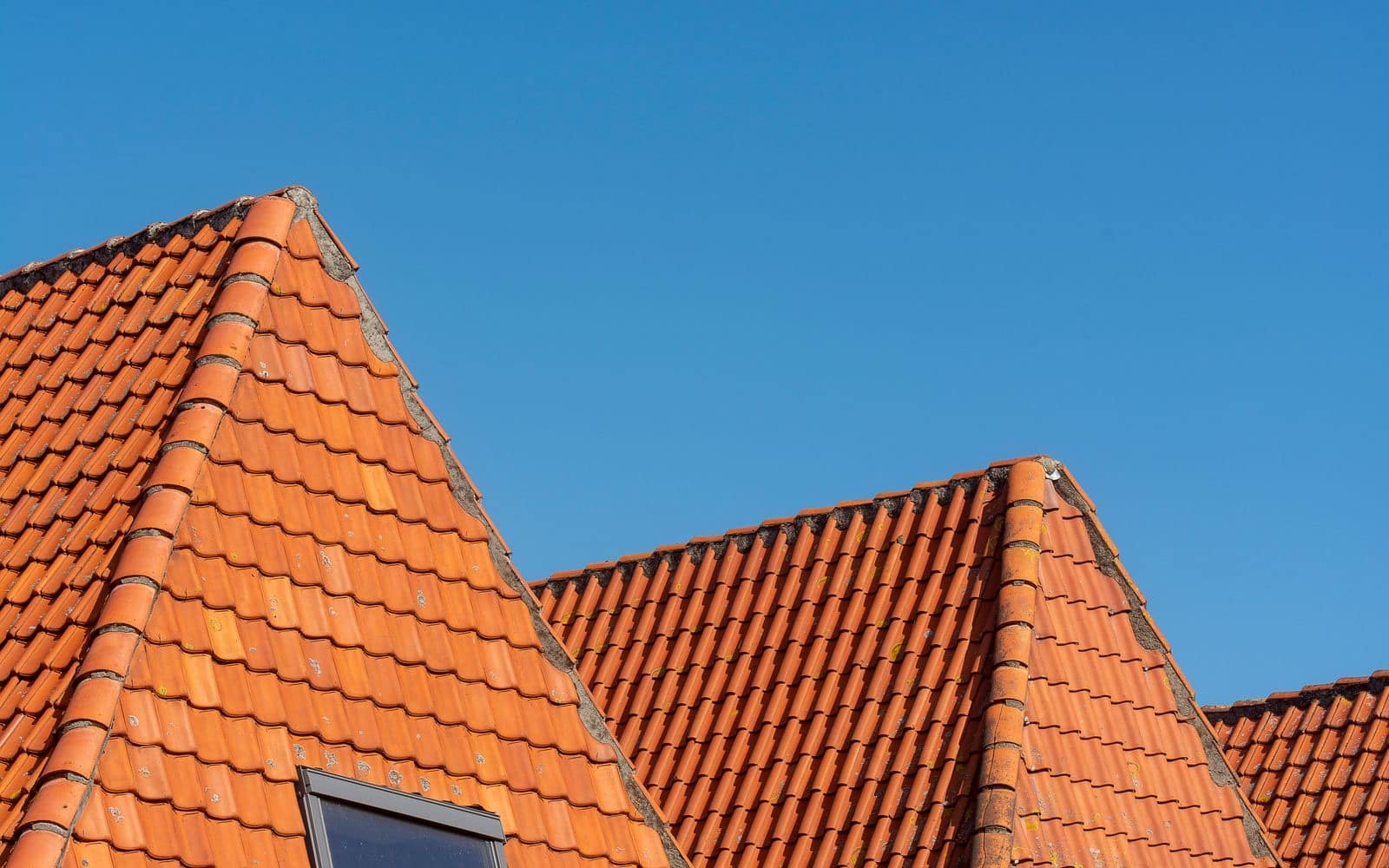
Terracotta, Colorbond, concrete tiles, and slate. Soft wash removes lichen, black algae, and moss without lifting tiles or cracking terracotta. Results last up to 12 months.
Rendered Walls & Façades
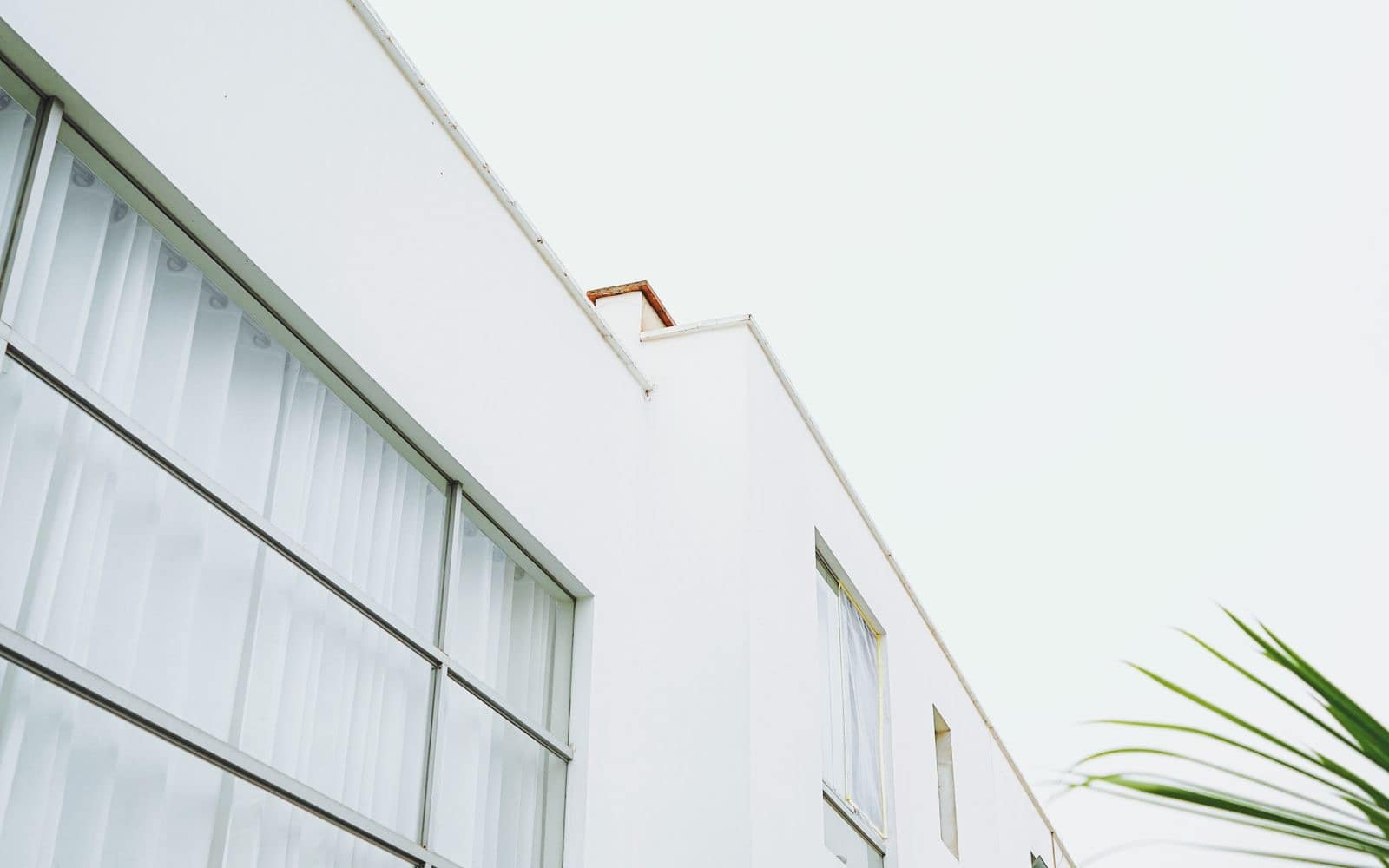
Acrylic render, texture coat, and Dulux AcraTex - all surfaces that high pressure strips or damages. Soft wash lifts mould and pollution film without touching the render.
Timber & Weatherboard
Painted or stained timber cladding, weatherboard, and fascia. Low pressure plus surfactant lifts mould and algae without grain raise or paint stripping.
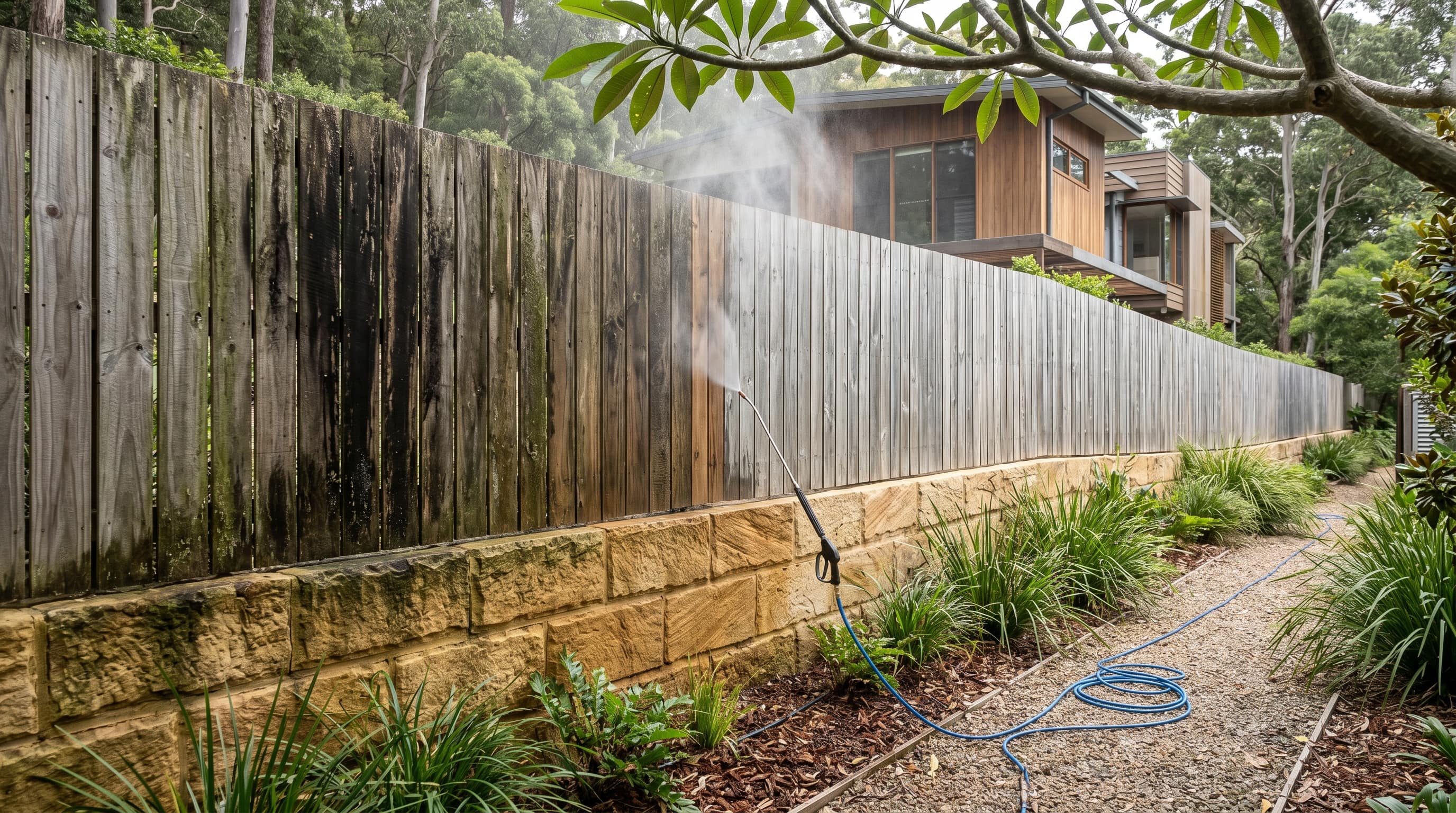
Fences & Retaining Walls
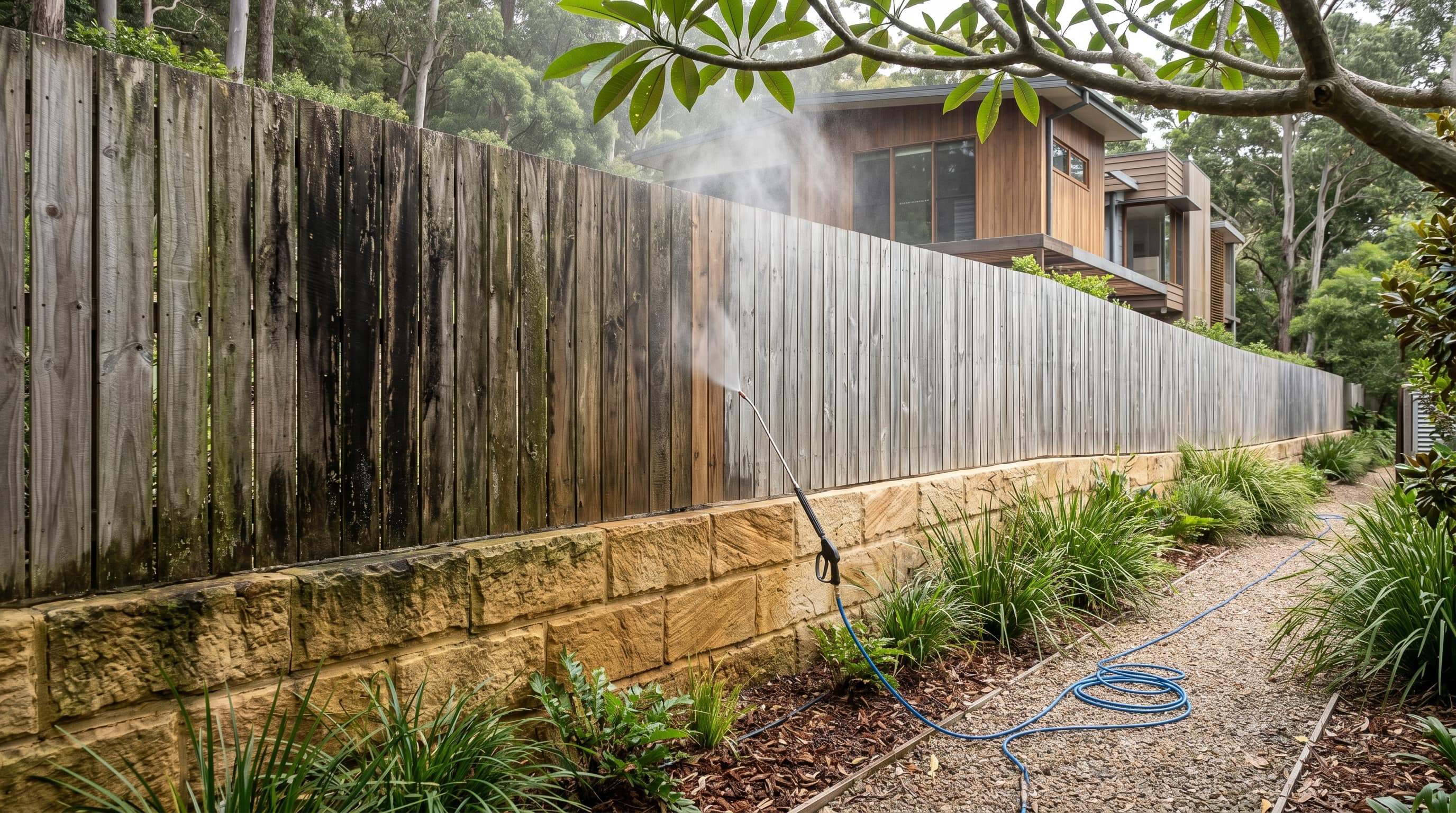
Timber palings, Colorbond, and sandstone retaining walls. Soft wash restores appearance before painting or oiling without damage to the substrate.
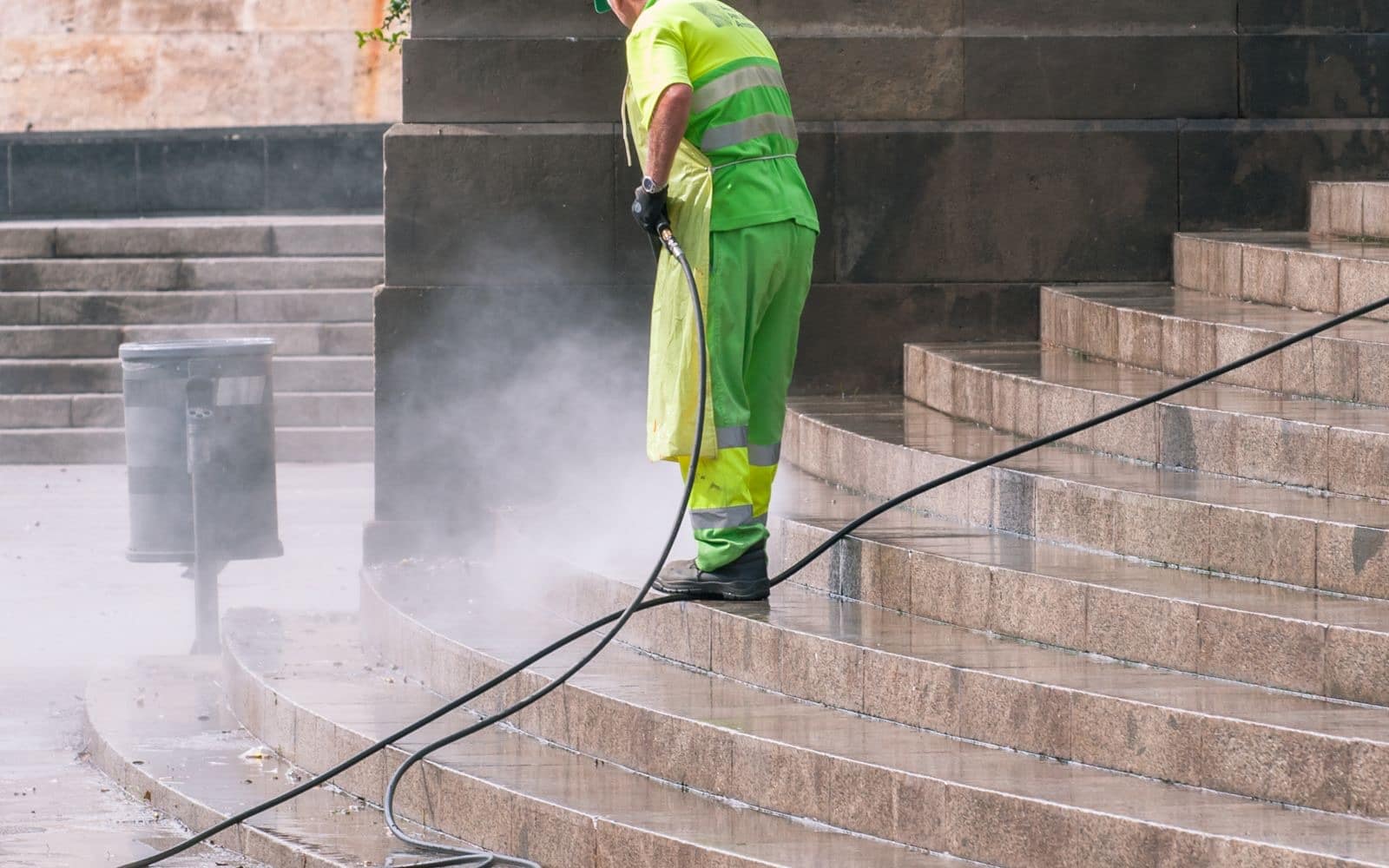
Driveways & Pavers
Where the staining is biological - green algae, black mould, or lichen on pavers and exposed aggregate. Soft wash kills the growth; low-pressure rinse removes it.
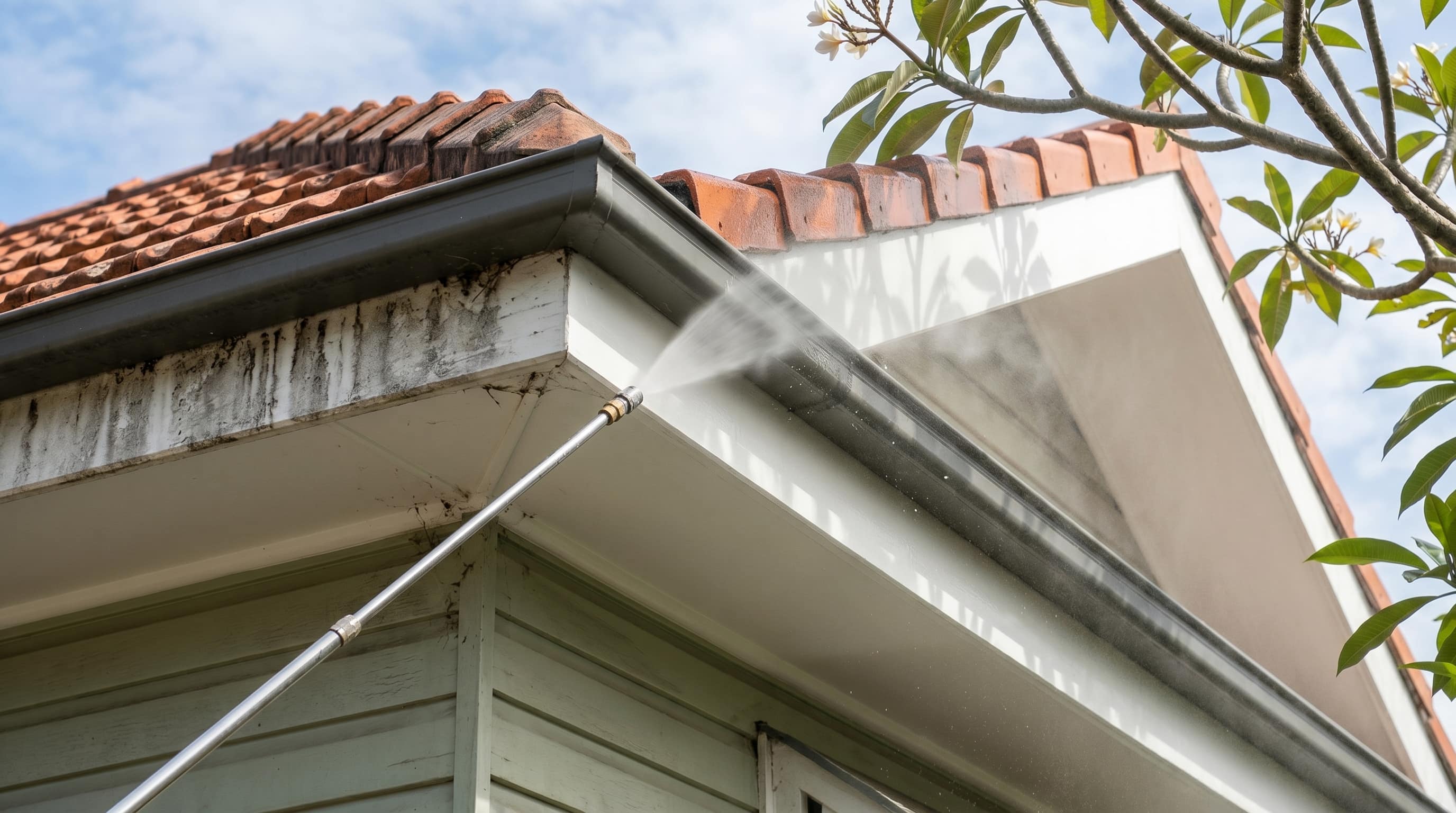
Eaves, Gutters & Fascia
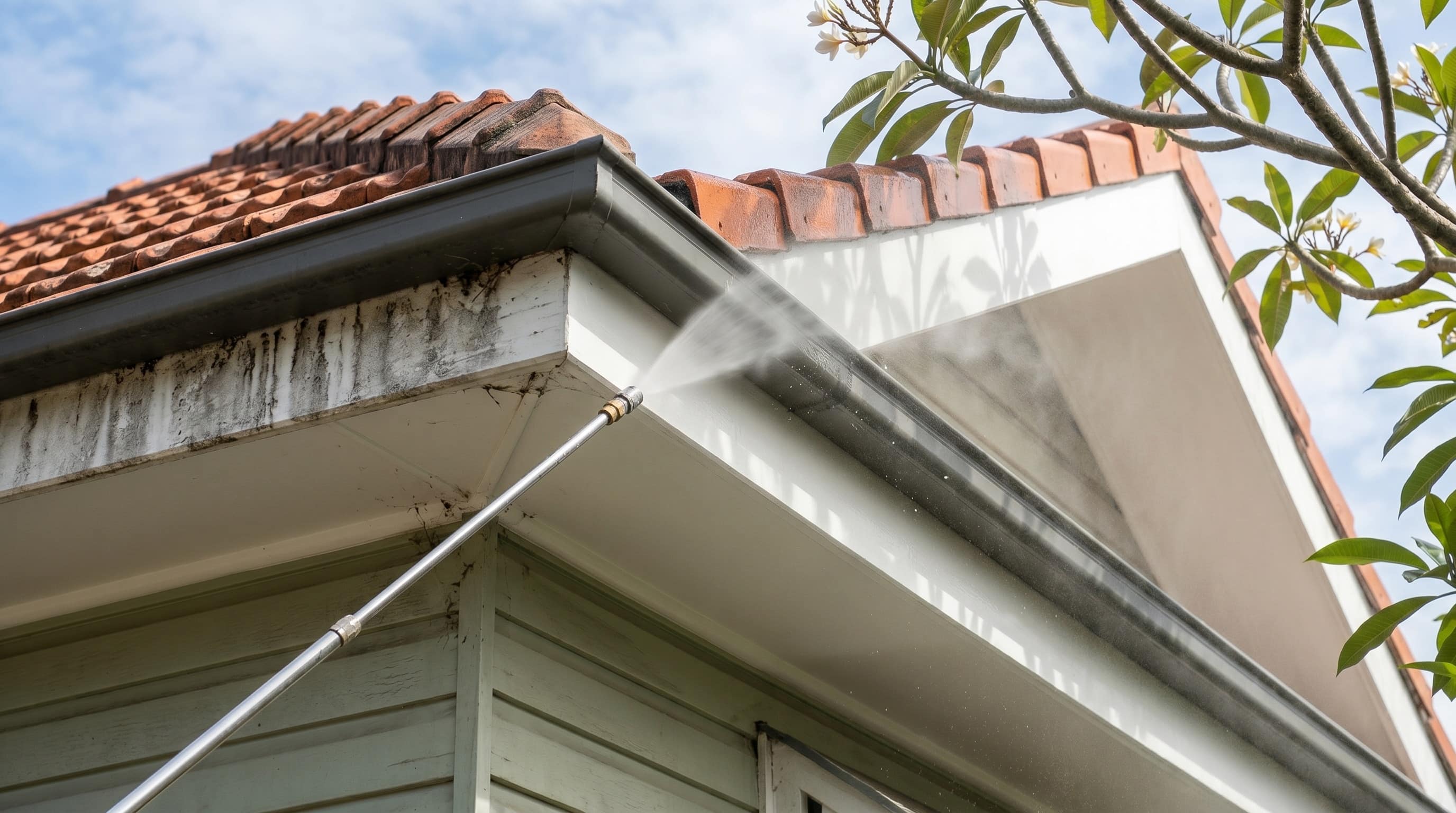
Cobwebs, wasp nests, mould, and bird mess on soffits and eaves. Soft wash cleans top-to-bottom without water forcing its way under the roofline.
Clean that lasts, without the damage.
Everything under one roof.
Site assessment
Roof, render, garden noted
Biocide application
Low-pressure spray, full coverage
Dwell time
Minimum 20 minutes, monitored
Low-pressure rinse
Top-down, controlled runoff
Final inspection
Verify kill, re-apply if needed
Pressure Cleans the Surface. Soft Wash Kills the Problem.
No Surface Damage
Operating at 100–500 PSI vs 2,500–3,500 PSI for pressure washing. Render stays intact, tiles stay seated, paint stays on. Nothing is blasted off that shouldn't be.
Results Last 6–12 Months
High pressure displaces mould spores - they land elsewhere and regrow in weeks. Our algaecide kills the biology entirely, so regrowth takes months, not weeks.
Biodegradable Solutions
Our treatment blends are plant-derived and fully biodegradable. Safe around garden beds, pets, and stormwater drains. We neutralise the run-off as standard.
Safe for Roofs
High pressure on a roof voids most tile warranties and can crack or lift terracotta. Soft wash is the recommended method by most tile manufacturers and roofing associations.
Fully Insured
Full public liability insurance on every job. If something goes wrong, you're covered. Uninsured operators are a real risk - especially on roofs.
Ideal Before Repainting
Painting over mould and algae is the number-one cause of premature paint failure. Soft wash kills the spores and removes the biofilm so paint bonds properly and lasts.
From quote
to handover.
Five steps, every one explained before tools touch site.
- Step 01· Half day
Free Consultation
We visit, measure, and listen to how you want the space to work. No cost, no obligation.
You get: Scope summary + ballpark range - Step 02· 3–5 days
Fixed Quote
Detailed written quote. What we quote is what you pay.
You get: Written quote - Step 03· 1–2 weeks
Design & Selection
Choose finishes from curated material boards. We guide you through every selection.
You get: Locked finishes schedule - Step 04· 10–15 days
Build Phase
Our licensed team carries out the work. Site managed throughout, with progress photos shared at each stage.
You get: Progress photos at each stage - Step 05· ~Half day
Handover
Walk-through, defect sign-off, warranty docs handed over, full site clean.
You get: Warranty pack + final clean
Common Questions
Pressure washing uses high-impact water (2,000–3,500 PSI) to blast dirt off a surface. Soft washing uses low pressure (under 500 PSI) combined with a biodegradable chemical treatment that kills mould, algae, and lichen at the root. Soft wash results last 6–12 months. Pressure washing results often last weeks before regrowth appears.
Yes. We use plant-derived, biodegradable solutions. Before we start, we pre-wet surrounding garden beds and cover sensitive plants. Run-off is neutralised on site. Once the treated surface is dry - usually within a few hours - it is completely safe for pets and children.
No - that's the point. Soft washing was developed specifically for surfaces that cannot tolerate high pressure: terracotta tiles, acrylic render, timber, and painted surfaces. Most tile manufacturers actually recommend soft wash and warn against pressure cleaning their products.
No. As long as we have access to the areas being treated and any gates are unlocked, you don't need to be present. We'll send completion photos when the job is done.
We recommend waiting 5–7 days after soft washing before painting, to allow any residual moisture to fully evaporate and the treated surface to dry completely. We can provide a written mould-kill confirmation for your painter if required.
On roofs and rendered walls: typically 9–12 months before biological regrowth is visible. On fences and timber: 6–9 months. Factors include local humidity, tree coverage, and how severe the original infestation was. We offer maintenance schedules for clients who want to stay on top of it.